
Performance vs Cotton Polos for Your Crew
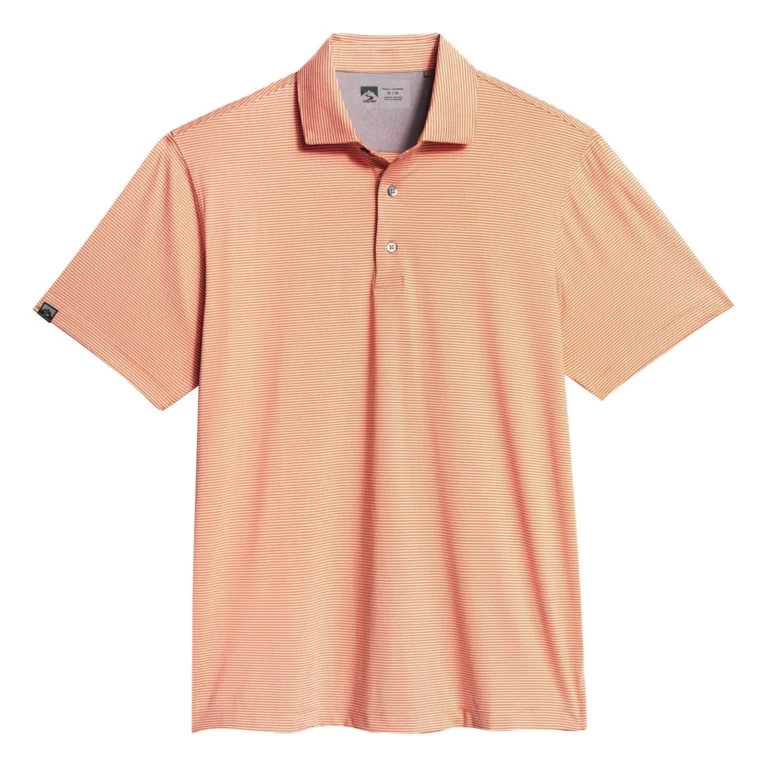
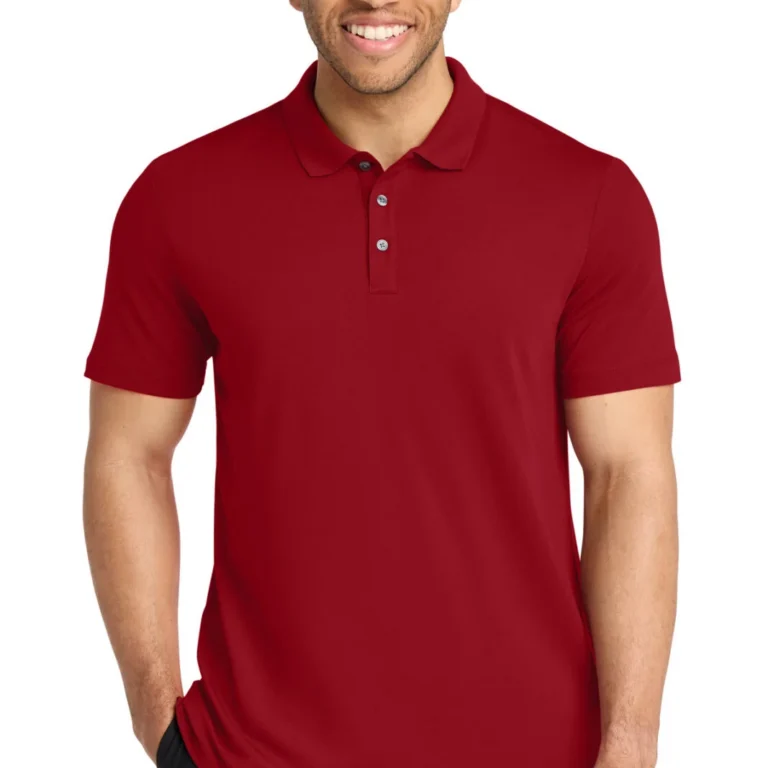
With your logo embroidered at 24 pieces, Gott Marketing prices the Storm Creek performance polo we compare at about $48 and the Mercer+Mettle cotton-rich piqué at about $27. The first question on almost every company polo order is fabric: a performance polo made from polyester and stretch, or a cotton (or cotton-rich) pique polo. Both look professional with a logo on the chest. The right answer depends on where your people wear it and how hard they’re on their clothes.
The short answer
- Pick performance for anyone who works outside, drives, loads trucks or sweats on the job. It wicks, dries fast, holds its color and comes out of the wash without wrinkles.
- Pick cotton or a cotton-rich blend for the office, showroom and counter, where people want a softer, more natural feel and aren’t working up a sweat.
| Performance polo | Cotton or cotton-rich polo | |
|---|---|---|
| Typical fabric | Polyester with spandex | Cotton pique, often with some polyester and stretch |
| In the heat | Wicks sweat and dries fast | Absorbs sweat and stays damp longer |
| After many washes | Holds color and shape | Can fade or shrink a little |
| Wrinkles | Resists them | Wrinkles more |
| Feel | Smooth and slick | Soft and familiar |
| Sun protection | Often UPF rated | Rarely rated |
| Best for | Yard, field, drivers, outdoor events | Office, showroom, counter staff |
Where performance wins
Work that’s hot, dirty or outside. A lightweight performance polo like the Storm Creek Optimist II wicks moisture, has side vents and is rated UPF 50+, so it holds up on a summer afternoon in the yard. Polyester also keeps its color through a lot of washes, which matters when you want the whole crew to match a year from now.
Where cotton wins
Comfort indoors. Cotton pique breathes in a relaxed way and feels like a shirt people already own. Most modern “cotton” polos are actually cotton-rich blends: the Mercer+Mettle Stretch Pique Polo is 55% cotton with polyester and a touch of spandex, so you get the cotton feel with less shrinking and a little stretch.
How the fabric changes your logo
- Embroidery works on both. On very thin, stretchy performance fabric we keep the logo a sensible size and stitch count so it lies flat.
- Heat transfers work well on performance fabric and are a good choice for detailed logos on light, stretchy polos.
- Dye-sublimation only works on light-colored polyester, so it’s a performance-only option.
- Dark polyester can bleed color into some printed logos. We plan around it so your logo stays clean.
Mixing both in one program
Many of our customers do both: performance polos for the yard and drivers, cotton-rich polos for the office and counter, with the same logo on each. Everyone matches, and each group gets a shirt that suits the job.
Common questions
Are performance polos hotter than cotton?
Usually not. A lightweight performance polo pulls sweat away from the skin and dries quickly, so it tends to feel cooler when you’re working. Cotton feels great until it gets wet.
Do performance polos hold odor?
Plain polyester can hold odor more than cotton. Many performance polos now have an odor-control treatment, and we’ll point those out.
Which lasts longer?
Performance polos generally hold color and shape longer. Cotton can fade and shrink a bit over time, though cotton-rich blends hold up better than pure cotton.
Can I get the same logo on both?
Yes. We match the logo across both fabrics, adjusting the decoration method so it looks right on each.
Comparing brands too? See Storm Creek vs Peter Millar quarter-zips and Peter Millar vs Holderness & Bourne, or browse all company apparel.
Not sure yet? Send us your logo and tell us who’ll be wearing it. We’ll send a free mockup on both before anything is ordered.